
The Allure of Chance
The psychology of gambling is fundamentally intertwined with the allure of chance. Many individuals are drawn to the unpredictability that casinos offer, where the outcome of games is determined by luck. This unpredictability creates a sense of excitement and suspense that is often addictive. The anticipation of winning big or the thrill of a last-minute victory can send adrenaline coursing through a player’s veins, fostering a desire to participate repeatedly. In New Zealand, players often seek the best online casino nz to enhance their gaming experiences.
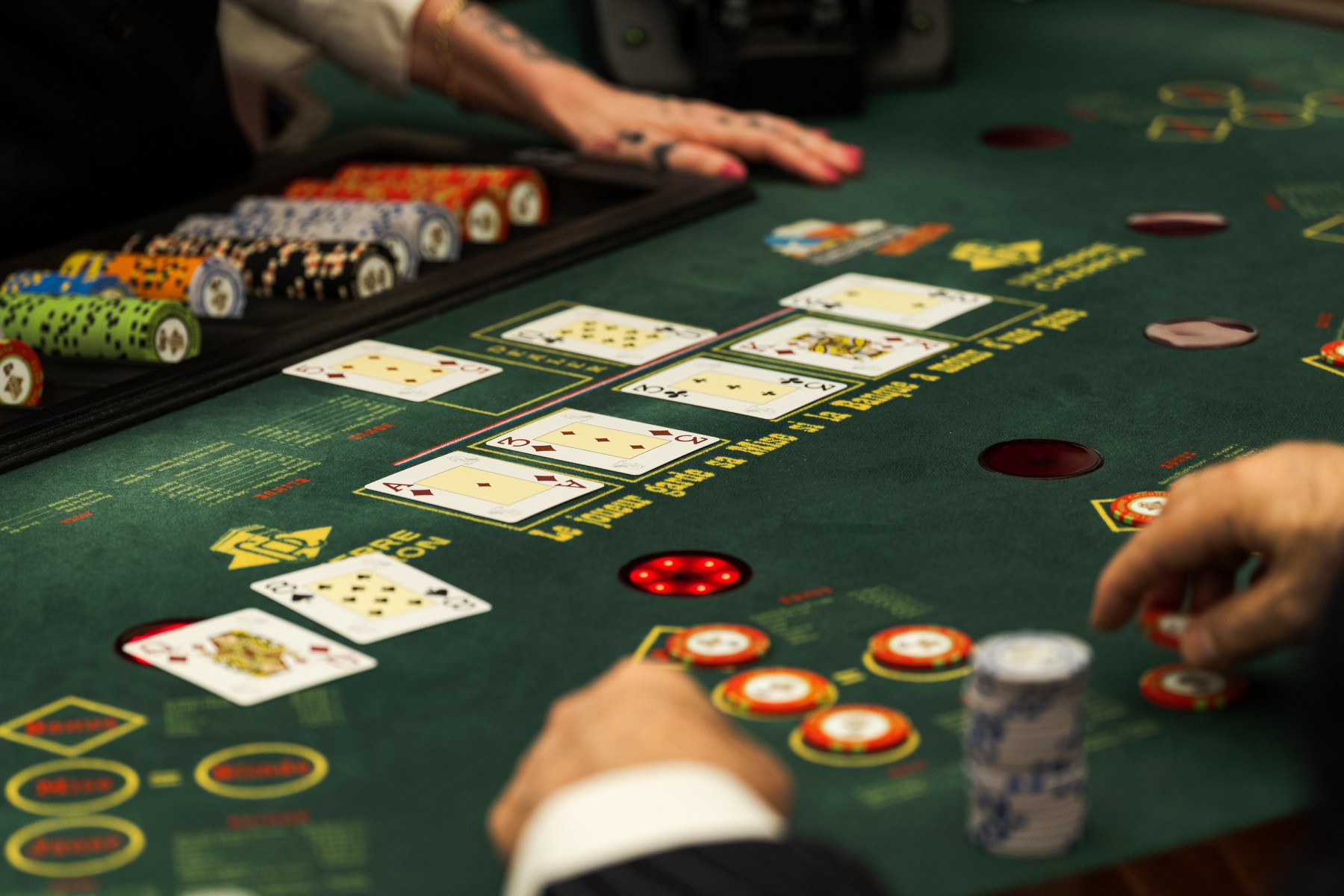
This fascination with chance is rooted in human behavior, as people are naturally inclined to seek out experiences that elevate emotions and break the monotony of everyday life. In many cases, gambling serves as a simple escape, providing a temporary respite from the routine challenges and stresses of life.
The Role of Reward Systems
Gambling activates the brain’s reward system, similar to the effects of drugs or alcohol. Winning, even during a small bet, triggers the release of dopamine, a neurotransmitter that plays a significant role in pleasure and motivation. The euphoric feeling from a win reinforces the behavior, making players more likely to return for more. Casinos understand this psychological mechanism and design their environments to enhance these feelings of reward.
As players experience wins, the cycle of gambling becomes self-perpetuating. Lost bets can lead to chasing losses, where players believe that they can reclaim their money by continuing to gamble. This can lead to a dangerous cycle of addiction, where the need for that rush overshadows logical thinking.
The Social Aspect of Gambling
Gambling is not just about the games; it is also a social activity. Many people enjoy the camaraderie found in casinos, bonding with friends or strangers over shared experiences. The social dynamics of gambling can amplify the excitement, as players celebrate wins together and commiserate over losses. Events like poker tournaments or roulette nights foster a community feeling, transforming a solitary activity into a social endeavor.
The interaction between players can enhance the enjoyment of gambling, making it a more appealing activity than other forms of entertainment. This social aspect contributes to why people continue to return to casinos, seeking both the thrill of the game and the interactions with fellow gamblers.
The Psychological Escape
For many, casino gambling offers a temporary escape from reality. The immersive environment of a casino can create a ‘bubble’ where daily worries fade, and the focus shifts solely to the games and the thrill of winning. This psychological aspect is particularly appealing for those facing stress or personal challenges, as it allows them to “disconnect” for a while.
Gambling can provide a sense of control and achievement in an otherwise chaotic world. Players may feel empowered by their decisions, believing that they can influence outcomes. This illusion of control can be incredibly appealing, prompting individuals to engage in gambling as a way to assert agency over their lives.
Understanding Our Online Experience
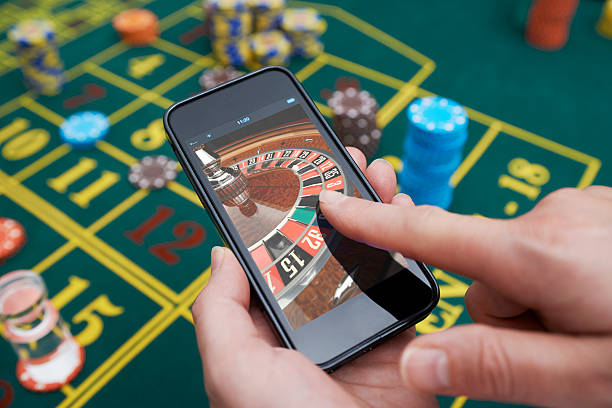
The online gambling landscape emphasizes the psychological dynamics at play with casino gaming. Many websites employ strategies that cater to the psychological needs of players, creating engaging environments that replicate the excitement of physical casinos. Enhanced graphics, immersive sound effects, and features like live dealer games ensure that online platforms keep players engaged and entertained.
This modern approach to gambling also raises important questions about responsible gaming. As players navigate the excitement and risks associated with online gambling, it is essential to recognize the signs of addiction and prioritize mental health. Understanding the psychological motivations behind our gambling habits can lead to healthier engagement and enjoyment of these activities on both physical and online platforms.
